

In a world where technology reigns supreme, surge protector strips are the unsung heroes of home and office setups. Picture this: your expensive gadgets are happily humming along when suddenly, a power surge strikes like a rogue lightning bolt. Without a trusty surge protector, those devices could be toast faster than you can say “Oops!”
Overview of Surge Protector Strips
Surge protector strips play a crucial role in safeguarding electronic devices against sudden power surges. These strips, equipped with multiple outlets, allow users to connect several devices simultaneously. Various models come with features like indicator lights, which show when protection is active.
Quality surge protectors often include built-in circuit breakers, offering extra protection to devices during electrical spikes. Some units even feature USB ports for charging smartphones and tablets directly, enhancing convenience.
Power surges can originate from various sources, including lightning strikes, faulty wiring, or the operation of large electrical appliances. By utilizing surge protector strips, individuals reduce the risk of damage to important electronics such as computers, televisions, and gaming consoles.
A surge protector typically contains metal oxide varistors that absorb excess voltage, redirecting it away from connected devices. The clamping voltage indicates the level at which protection engages, with lower ratings offering better protection.
For optimal performance, selecting a surge strip with a high joule rating is advisable, as this indicates its capacity to absorb energy. Brands vary widely, with some exceptions identified as industry leaders through extensive testing and reliability records.
Properly organizing and maintaining surge protector strips ensures longevity and effectiveness. Users should regularly check for signs of wear, including frayed cords or malfunctioning outlets. Regular inspections keep devices and environments safeguarded from electrical issues.
Importance of Surge Protector Strips
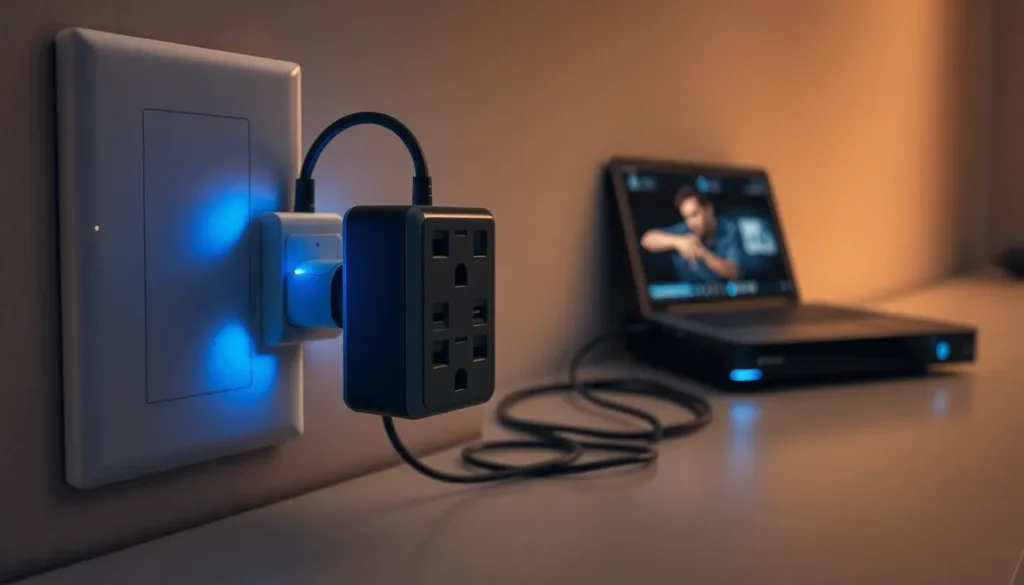
Surge protector strips play a crucial role in maintaining the longevity of electronic devices. They effectively shield gadgets from harmful power surges, which can occur due to reasons like lightning strikes or faulty wiring.
Protecting Devices from Power Surges
Devices, including computers, televisions, and gaming consoles, remain at risk during electrical spikes. Surge protector strips utilize metal oxide varistors to absorb excess voltage and divert it away from connected equipment. This protective mechanism minimizes the risk of costly damages and ensures optimal functionality of electronics.
Cost-Effectiveness of Surge Protection
Investing in surge protector strips proves economical in the long run. They offer a relatively low upfront cost compared to potential repair or replacement expenses for damaged electronics. A reliable surge protector can save hundreds of dollars by preventing even a single surge from causing significant harm. Ensuring that devices remain protected from unpredictable power fluctuations enhances overall safety and longevity.
Types of Surge Protector Strips
Surge protector strips vary in functionality and features. Understanding these types helps users choose the best option for their needs.
Basic Surge Protectors
Basic surge protectors offer essential protection by clamping down on voltage spikes. These units typically include multiple outlets, allowing several devices to plug in simultaneously. Generally, they feature indicator lights to show operational status. It’s advisable to look for models with a joule rating of at least 1,000 for adequate protection against common surges. Basic units work well for low-risk environments, making them suitable for home electronics like lamps or chargers.
Advanced Surge Protectors with Additional Features
Advanced surge protectors provide enhanced capabilities, focusing on versatility and extra safety. Many include features like built-in circuit breakers to prevent overloads. Some models come with USB ports, enabling easy charging of devices without needing an adapter. Additional functionalities, such as ethernet surge protection, safeguard internet-connected devices. Selecting an advanced model is essential for protecting valuable gear like computers, home theaters, or gaming consoles. These units often boast higher joule ratings, ranging from 2,000 to 4,000, ensuring superior protection against severe surges.
Key Features to Consider
Surge protector strips come equipped with various features that enhance their effectiveness and usability. Understanding these features helps users make informed decisions.
Joule Ratings
Joule ratings define the energy absorption capacity of surge protector strips. A higher joule rating indicates greater protection against power surges, with options typically ranging from 300 to 4,000 joules. Users should opt for strips with ratings of at least 1,000 joules for average electronics. Higher ratings are crucial for valuable devices, like computers and gaming consoles. These ratings directly correlate to the lifespan and effectiveness of the surge protector.
Number of Outlets
The number of outlets on a surge protector strip determines the number of devices that can connect simultaneously. Most strips offer between 4 to 12 outlets for flexibility in managing multiple devices. More outlets allow for better organization of electronics, reducing clutter and increasing accessibility. Choosing the right number of outlets ensures users can accommodate all necessary devices without the need for additional strips.
Response Time
Response time measures how quickly a surge protector reacts to electrical spikes. Ideally, a response time of 1 nanosecond or less offers optimal protection. Faster response times minimize the danger to connected devices during electrical surges. Users should check specifications to ensure the selected surge protector meets industry standards for response times. Even small delays can lead to damage, making this a critical feature.
Additional Features (USB Ports, Indicators)
Additional features enhance the user experience and functionality of surge protector strips. USB ports provide convenient charging options for devices without bulky adapters. Indicator lights signal operational status, alerting users when surges occur or if the protector needs replacement. Some strips include circuit breakers that prevent overheating and ensure safety if a fault occurs. These features add value and functionality to surge protector strips, making them more versatile for everyday use.
Top Surge Protector Strip Recommendations
Selecting the right surge protector strip enhances device safety. The following recommendations cover various needs and preferences.
| Brand/Model | Joule Rating | Number of Outlets | USB Ports | Price Range |
|---|---|---|---|---|
| Belkin BP112230-08 | 3,940 joules | 12 | 2 | $25-$35 |
| APC P11VT3 | 2,880 joules | 11 | 2 | $20-$30 |
| Tripp Lite TLP606 | 2,880 joules | 6 | 0 | $15-$25 |
| CyberPower CP1500PFCLCD | 1,500 joules | 12 | 2 | $100-$150 |
| AmazonBasics Surge Protector | 4,000 joules | 8 | 0 | $15-$20 |
Belkin offers the BP112230-08 model, which supports up to 12 devices and includes two USB ports. APC P11VT3 provides reliable protection with a respectable joule rating. CyberPower CP1500PFCLCD serves as a powerful option for larger setups requiring uninterrupted power supply capabilities.
Tripp Lite TLP606 presents an affordable choice for basic electronics with six outlets. AmazonBasics Surge Protector stands out with high joule capacity, ideal for home use.
Evaluating these factors helps determine the best surge protector strip suited for specific needs. Consider price, protection level, and additional features when making a selection. Prioritizing a higher joule rating provides better protection for valuable electronics.
Surge protector strips are indispensable tools for anyone looking to protect their electronic investments. By absorbing excess voltage and preventing damage from power surges, they ensure devices operate safely and efficiently. With a variety of options available, users can find models that suit their specific needs, whether for basic home use or more advanced setups.
Choosing the right surge protector involves considering joule ratings, outlet numbers, and additional features that enhance usability. Regular maintenance and inspection will keep these protectors functioning at their best. By making a small investment in quality surge protector strips, users can save themselves from costly repairs and replacements, securing the longevity of their essential devices.